Quick carpet cleaning methods to freshen synthetic rugs between pro cleans
Synthetic rugs are brilliant for busy homes: they handle foot traffic, dry faster than many natural fibres, and usually forgive a bit of everyday life. But let's be honest, they still pick up crumbs, dust, pet hair, and that faint "lived-in" smell before the next professional visit. That is where quick carpet cleaning methods to freshen synthetic rugs between pro cleans come in. You do not need to deep-clean the whole room every week. You just need a smart, safe routine that keeps the rug looking brighter, smelling fresher, and feeling more pleasant underfoot.
This guide walks through what works, what to avoid, and how to get genuinely noticeable results without over-wetting, leaving residue, or damaging the fibres. If you've ever looked at a rug on a grey London afternoon and thought, "It's not dirty-dirty, just tired," this is for you.
Expert summary: The best between-clean refresh for synthetic rugs is usually a combination of dry soil removal, targeted spot treatment, light deodorising, and controlled moisture. Keep it simple, keep it gentle, and stop before the rug feels saturated. That's the trick, really.
Table of Contents
- Why quick freshening matters
- How these methods work
- Key benefits and practical advantages
- Who this is for and when it makes sense
- Step-by-step guidance
- Expert tips for better results
- Common mistakes to avoid
- Tools, resources and recommendations
- Law, compliance, standards, or best practice
- Options, methods, or comparison table
- Case study or real-world example
- Practical checklist
- Conclusion
- Frequently asked questions
Why Quick carpet cleaning methods to freshen synthetic rugs between pro cleans Matters
Synthetic rugs are often chosen because they are practical, sturdy, and easier to maintain than delicate wool or viscose blends. But "easy" does not mean "ignore it for six months." Dust and grit sit near the base of the fibres. Spill marks set in. Pet odours cling. And the rug starts to look flat long before it is actually due for a full professional clean.
Quick freshening matters because it slows down that buildup. A little routine care helps the rug keep its colour, texture, and bounce. It also means the professional clean later on can do a better job, because it is not fighting through heavy surface soil. In other words, you are not replacing pro cleaning. You are protecting the result between visits.
There is another reason too: comfort. A clean-looking rug changes how a room feels. You notice it when you walk in from outside, shoes damp from a bit of drizzle, and the room still smells neutral rather than dusty. Small thing? Maybe. But in a home, small things add up.
For homes with children, pets, or busy shared spaces, light maintenance is often the difference between a rug that always feels presentable and one that quietly slips into "needs attention" territory. If you already maintain the rest of the home with services like domestic cleaning or broader home cleaning, adding a rug refresh routine is a natural next step.
How Quick carpet cleaning methods to freshen synthetic rugs between pro cleans Works
The basic idea is simple: remove dry soil first, treat localised marks second, then refresh the surface without soaking it. Synthetic fibres such as polypropylene, nylon, and polyester are generally resilient, but they still respond best to controlled cleaning. Over-wetting can leave a dull patch, drag dirt deeper into the backing, or create a musty smell if drying is slow.
Think of the process in three layers:
- Dry removal: lifting grit, crumbs, dust, and hair before any moisture is used.
- Targeted treatment: handling spots with the least amount of liquid needed.
- Light refreshing: using a safe deodorising or fibre-lifting approach to make the rug feel cleaner overall.
What does "freshen" actually mean here? Not a full restoration. Not a deep extraction. It means visually tidying the rug, reducing odour, and improving the feel underfoot. You are aiming for a noticeable lift, not perfection. To be fair, perfection is what the full clean is for.
It also helps to understand the difference between a quick refresh and a more intensive service such as carpet cleaning or rug cleaning. Those services are designed to work deeper into the fibres. Between visits, your job is to prevent things from settling in.
Key Benefits and Practical Advantages
When done properly, quick rug freshening gives you a lot of value for very little effort.
- Better appearance: the rug looks brighter and less tired, especially in natural daylight.
- Less odour: regular light cleaning reduces the "stale" smell that can build up in synthetic fibres.
- Longer time between professional cleans: less surface soil means less visible wear and slower buildup.
- Less risk of permanent staining: quick action gives spills less time to set.
- Improved indoor feel: a fresh rug makes the whole room feel more cared for.
There is also a practical benefit many people overlook: quick cleaning helps you spot problems early. A tiny snag, a food spill, a damp patch, or a pet accident is much easier to deal with when you are already checking the rug regularly. And honestly, it is nicer to handle a small issue on Tuesday afternoon than discover it on Friday evening when guests are due.
If you use other specialist services in the home, the same principle applies. A regular one-off cleaning session may reset the space, but day-to-day freshness is what keeps the result looking good.
Who This Is For and When It Makes Sense
These methods are ideal for anyone with a synthetic rug in a living room, hallway, dining area, home office, or rented property. They are especially useful if your rug sees heavy daily use or sits in a room where shoes, pets, or snack crumbs are part of normal life. Truth be told, that covers a lot of households.
This approach makes sense if:
- you want to keep a rug looking tidy between professional visits;
- you have children or pets and need a reliable quick routine;
- you rent and want to stay on top of presentation before inspections or move-out cleaning;
- you have a synthetic rug that can handle light moisture but does not need frequent deep wet cleaning;
- you want to avoid paying for a full deep clean every time the rug starts to look dull.
It is less suitable if the rug is heavily water-damaged, has strong lingering odours from contamination, or is made from a delicate natural fibre blend that needs specialist care. In those cases, professional support is the safer route. If the rug is part of a broader post-renovation tidy-up, services like after builders cleaning or deep cleaning may be more appropriate.
For tenants, landlords, and busy households, rug freshness often becomes part of a wider maintenance routine alongside end of tenancy cleaning or seasonal upkeep. Different job, same aim: a place that looks cared for.
Step-by-Step Guidance
Here is a safe, practical process for most synthetic rugs. Keep it simple and do not rush the drying. That part matters more than people think.
1. Vacuum thoroughly in both directions
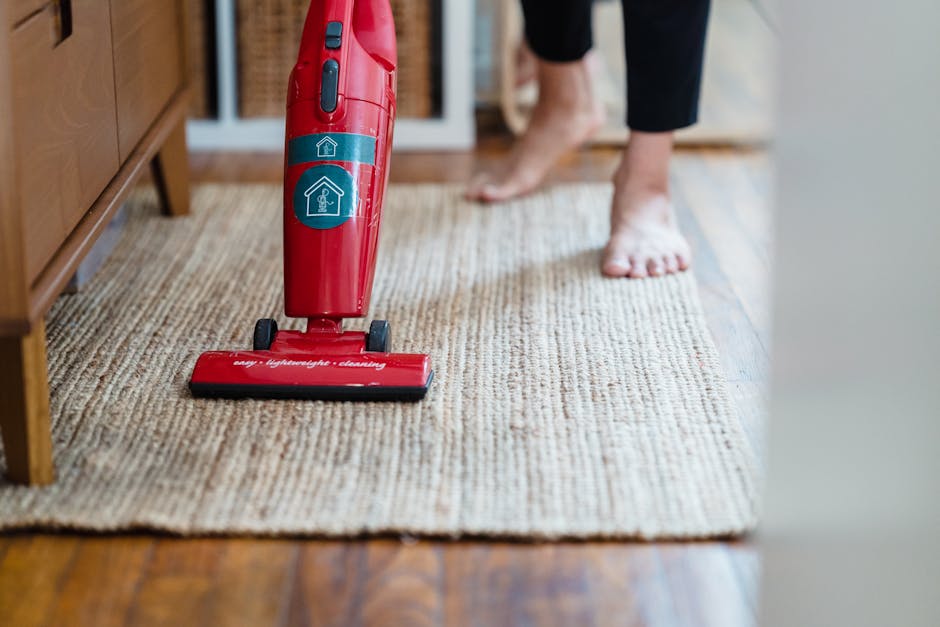
Start by vacuuming the rug slowly. Go in one direction first, then cross over at a slight angle. This helps lift dry dust and hair from the pile rather than just brushing the top. If the rug has a cut pile, this step alone can make it look noticeably smarter.
Use a brush head carefully. If the pile is short, a standard suction head usually works well. If the rug is lightweight, hold one end down so it does not bunch up like a stubborn picnic blanket.
2. Pick up crumbs and loose debris by hand if needed
Vacuuming is good, but sometimes the obvious bits need a quick manual sweep. Bits of cereal, grit near the sofa, or that one stray crisp crumb under the coffee table are easier to remove by hand first. It sounds minor. It isn't.
3. Treat spots before general freshening
For small marks, blot rather than rub. Use a clean white cloth or paper towel. Apply a small amount of suitable spot cleaner to the cloth, not directly to the rug, unless the product instructions clearly allow it. Gently press the area and repeat with a fresh cloth section until the mark lifts.
For everyday spot work, a purpose-made product from the same care family as a spot cleaner can be more efficient than improvising with too much water and hope. Hope is useful in life. Less useful on rugs.
4. Use a light deodorising refresh if needed
If the rug smells a bit stale but is not visibly dirty, a light refresh can help. A small amount of bicarbonate-style deodorising is often used in homes, but the key is moderation and proper vacuum removal afterwards. The aim is to freshen, not leave powder sitting in the fibres for days.
Always test in an out-of-sight area first. Synthetic rugs vary more than people expect, especially with printed finishes and colour treatments.
5. Use minimal moisture for deeper freshening
If the rug needs more than dry refreshment, use a very lightly damp cloth or a suitable handheld extraction tool designed for small areas. Work in sections. Do not flood the pile. The fibres should feel barely damp, not wet.
This is where a small machine can help, especially if you already use a carpet steam cleaner or are considering hire carpet cleaner options for occasional use. Just remember that "steam" does not mean "soak it until it smells like a changing room."
6. Speed up drying
Open windows if the weather allows, switch on a fan, and keep the room ventilated. Synthetic rugs dry faster than many natural-fibre alternatives, but backing and underlay can still hold moisture. Lift the rug slightly if practical so air can move underneath.
Never put furniture back too quickly. That can leave marks, transfer moisture, or trap odours. If the rug still feels cool and damp to the touch, it needs more time.
7. Finish with a final vacuum once fully dry
Once the rug is completely dry, vacuum again. This restores the pile, removes any remaining deodorising residue, and leaves the surface looking finished. That final pass makes a surprising difference. Small effort, big payoff.
Expert Tips for Better Results
A few habits make the whole routine much more effective.
- Test first, always: even synthetic rugs can react differently to moisture and cleaning products.
- Use less product than you think: residue attracts dirt, which defeats the point.
- Work from the outside of a spot inward: this helps prevent the mark from spreading.
- Blot, don't scrub: scrubbing can rough up the fibres and make the area look worn.
- Let the rug dry naturally: heat can distort fibres or set certain stains.
- Rotate the rug periodically: traffic patterns are real, especially in hallways and under dining chairs.
One useful rhythm is a quick weekly check and a deeper spot response as needed. If the rug is in a high-use zone, a light refresh every week or two may be sensible. In a quieter room, you may only need to do it once in a while. The trick is consistency, not intensity.
Another tip: watch the edges. The centre often gets most of the attention, but the border and corners collect dust fast. A quick edge vacuum often changes the whole look. Funny how that works.
For broader room care, it can help to pair rug maintenance with services such as spring cleaning or cleaning company support when the whole place needs a reset.
Common Mistakes to Avoid
The biggest problems usually come from trying to do too much, too quickly.
- Over-wetting the rug: this can lead to slow drying, backing damage, and a musty smell.
- Using the wrong product: some cleaners leave residue or affect colour if they are not suitable for synthetic fibres.
- Rubbing stains aggressively: that often pushes the spill deeper into the pile.
- Skipping the vacuum: if you clean on top of dry soil, you just make mud in miniature.
- Putting furniture back too soon: a classic mistake, and an annoying one.
- Ignoring drying time: a rug that looks clean but stays damp can create more problems than it solves.
Another common slip is treating every mark the same. A coffee spill, a greasy food spot, pet urine, and tracked mud all need slightly different responses. The right move is to pause for ten seconds and identify the stain before reaching for the nearest bottle under the sink. It saves time in the end.
If the rug is badly contaminated or the odour keeps coming back, quick methods may not be enough. That is where a professional service can be the smarter choice, especially if the rug sits in a high-traffic space or is part of a more extensive home-care plan such as house cleaning or domestic cleaners support.
Tools, Resources and Recommendations
You do not need a van full of gear. A small, sensible kit usually does the job.
| Tool | Best use | Why it helps |
|---|---|---|
| Vacuum cleaner with upholstery or brush head | Routine dry soil removal | Lifts grit and hair before it works deeper into the fibres |
| White microfibre cloths | Spot blotting and gentle wiping | Shows how much soil is being removed and avoids dye transfer |
| Suitable spot cleaner | Localised stains | Targets marks without soaking the entire rug |
| Small handheld extractor or carpet machine | Occasional light refresh | Useful when the rug needs more than surface cleaning |
| Fan or open-window ventilation | Drying | Speeds up evaporation and reduces damp odour |
| Soft brush | Reviving pile after drying | Helps synthetic fibres stand back up neatly |
If you are unsure about equipment, hiring can be a practical middle ground. A carpet cleaner rental or a local carpet shampoo approach may suit occasional users who want a better finish without buying a machine they will barely use. For some households, that is the sensible call.
For anyone who prefers professional help, checking a broader carpet cleaning services page can be a good starting point when deciding between DIY refreshes and a scheduled professional clean.
Law, Compliance, Standards, or Best Practice
For a household rug, there is usually no special legal process attached to quick cleaning itself. Still, there are good practice points worth following, especially if you are cleaning in rented properties, shared accommodation, or workplaces.
In UK homes and businesses, cleaning chemicals should be used according to the manufacturer's instructions and stored safely. That is simple, but important. If you are using a product around children, pets, or older residents, take a moment to read the label rather than guessing. It sounds basic because it is basic, and basic things are often what prevent avoidable mistakes.
In workplace settings, such as offices or shared premises, cleaning should fit normal health and safety expectations. Keep walkways dry, avoid trip hazards, and ensure the rug is fully dry before heavy footfall returns. A wet rug at the office entrance in the morning can become a tiny chaos magnet by lunch.
For tenants and landlords, the practical standard is usually presentation and care rather than a formal cleaning code. The goal is to return the property in a condition that matches the agreement and avoids avoidable damage. If you are unsure, professional cleaning and clear record-keeping are sensible habits. For businesses that need routine support, a service such as office cleaning may be more appropriate than ad hoc DIY maintenance.
One more sensible note: if a rug has mould, sewage contamination, persistent contamination, or unexplained odours, do not treat it as a routine refresh job. That is a different situation entirely and usually needs specialist attention.
Options, Methods, or Comparison Table
Different quick-clean methods suit different levels of soiling. Here is a practical comparison.
| Method | Best for | Speed | Risk level | Notes |
|---|---|---|---|---|
| Vacuum only | Dust, hair, crumbs, light surface dullness | Fast | Low | Best first step for almost every rug |
| Spot blotting | Small spills and fresh marks | Fast | Low to moderate | Use little liquid and test first |
| Light deodorising and vacuum | Stale smell without visible stains | Fast to moderate | Low | Helpful between deeper cleans |
| Handheld extraction | General refresh and light embedded soil | Moderate | Moderate | Good for synthetic rugs if drying is managed |
| Full professional clean | Heavy soiling, recurring odours, large stains | Slower | Low when done correctly | Best for periodic reset and deeper hygiene |
For many households, the sweet spot is a mix of vacuuming and occasional spot treatment, with a professional clean at intervals. If the room is used daily, a quick refresh may be enough to hold the line between visits. If the room is mostly quiet, even a very light routine can go a long way.
Case Study or Real-World Example
Here is a realistic example from a typical family living room. A synthetic rug sits under the coffee table, near the sofa and TV area. Over a few weeks it picks up biscuit crumbs, a light drink spill, and a general "been lived on" look. Nothing dramatic. Just enough to make the room feel a bit flat.
The refresh routine went like this: vacuum both ways, blot the drink mark, use a light spot treatment on a couple of small stains, then leave the room ventilated for an hour or two while the windows were open. A soft brush lifted the pile once dry. The difference was not miraculous, but it was clear. The rug looked brighter, the room smelled cleaner, and the owner did not need to book a full clean just yet.
That is really the point. Quick methods are not about dramatic transformation. They are about keeping things in good nick so you are never scrambling. A small effort on a Sunday morning can save a lot of annoyance later in the week.
We have seen the same pattern in smaller rental flats, family homes, and office breakout areas: regular light care keeps the carpeted areas in better condition for longer, especially when combined with broader upkeep such as house cleaners or cleaners for scheduled support.
Practical Checklist
Use this before and after a quick refresh.
- Vacuum the rug slowly in two directions.
- Pick up any visible debris by hand.
- Check for fresh spills or sticky spots.
- Blot stains gently with a clean white cloth.
- Use only a suitable product for synthetic fibres.
- Keep moisture low and controlled.
- Allow full drying time before replacing furniture.
- Vacuum again once the rug is fully dry.
- Rotate the rug occasionally to spread wear.
- Stop and call a professional if the odour or staining is beyond a light refresh.
If you are doing this before guests arrive or before a property inspection, focus on the edge lines, the area under furniture, and any high-traffic path. That is where the eye goes first. Always.
Conclusion
Quick carpet cleaning methods to freshen synthetic rugs between pro cleans are really about keeping control. You are not trying to deep-clean every week. You are preserving appearance, reducing odour, and stopping small problems from turning into bigger ones. For most synthetic rugs, the winning formula is straightforward: vacuum well, blot carefully, use minimal moisture, and let the rug dry properly.
Do that consistently and the rug will stay more presentable, more comfortable, and far easier to maintain. And when the next professional clean comes around, it will start from a much better place. That is the quiet advantage. Nothing flashy, just good housekeeping done well.
Get a free quote today and see how much you can save.
Frequently Asked Questions
How often should I freshen a synthetic rug between professional cleans?
For most homes, a light vacuum once a week and a spot clean as needed is enough. If the rug sits in a busy hallway, near pets, or in a dining area, you may want to refresh it more often. The right schedule depends on traffic, not a fixed rule.
Can I use steam on a synthetic rug at home?
Sometimes, yes, but only if the rug and cleaning tool are suitable and you keep moisture controlled. Too much heat or water can create drying problems or affect the backing. If you are unsure, test a small hidden area first.
What is the quickest way to make a rug smell fresher?
Start by vacuuming thoroughly, then treat any obvious source of smell, such as a spill or pet area. Good ventilation matters more than people expect. A clean rug with poor airflow can still smell a bit stale, which is annoying but fixable.
Is baking soda safe on synthetic rugs?
Often it is used for freshening, but only in a light, controlled way and with full vacuum removal afterwards. Too much powder can settle into the pile and leave residue. Test first if the rug has a printed surface or a special finish.
Should I rub stains out of a synthetic rug?
No, blotting is usually better. Rubbing can spread the stain and roughen the fibres. Gentle pressure with a clean cloth is normally the safer route. It is not glamorous, but it works better.
How do I know if the rug needs professional cleaning instead?
If stains keep returning, odours remain after drying, the rug feels sticky, or the whole piece looks tired despite regular care, it may need a professional clean. Deep cleaning is also sensible after heavy spills or long periods without maintenance.
Can quick cleaning damage a synthetic rug?
It can, if you use too much water, the wrong chemicals, or aggressive scrubbing. Synthetic does not mean indestructible. Gentle treatment and proper drying are the main safeguards.
What tools do I really need for between-clean maintenance?
A decent vacuum, clean cloths, a suitable spot cleaner, and good airflow will cover most situations. A handheld extractor is useful but not essential for every household. Keep the kit simple enough that you will actually use it.
How long should a synthetic rug take to dry?
Drying time depends on how much moisture was used, ventilation, room temperature, and rug thickness. A lightly treated synthetic rug may dry fairly quickly, but you should always wait until it feels fully dry before replacing furniture or walking on it heavily.
Is it worth hiring a carpet cleaner for a synthetic rug?
It can be, especially if you want a deeper refresh without buying equipment. Rental is often a practical middle ground for larger rugs or occasional use. If the rug is valuable, awkwardly sized, or heavily soiled, professional cleaning may be the safer option.
Do synthetic rugs need the same care as wool rugs?
No. Synthetic rugs are usually more tolerant of moisture and everyday wear, but they still need careful handling. Wool and other natural fibres often need more caution, while synthetics mainly need protection from over-wetting and residue.
Can I use the same approach for an office rug?
Yes, broadly speaking, but workplaces need extra attention to drying time and safety because people are walking through the area all day. In an office, a rug should be fully dry and slip-free before normal traffic resumes. That part is non-negotiable.