DIY carpet cleaning versus professional results explained
If you have ever stood in front of a tired-looking carpet and wondered whether a weekend DIY clean will do the job or whether it is time to call in the professionals, you are in the right place. DIY carpet cleaning versus professional results explained is not just about price. It is about fibre care, drying time, stain removal, hygiene, convenience, and what "clean" actually looks like in a real home.
Let's face it: carpets take a beating. Mud from wet shoes, pet hair, drink spills, the odd mystery mark near the sofa. And once a carpet starts looking dull, the big question appears. Do you rent a machine, buy a spot cleaner, or book a proper carpet clean? This guide breaks it down clearly, so you can choose the right path without second-guessing yourself later.
Below you will find a practical comparison of methods, the results you can realistically expect, common mistakes, and the situations where professional cleaning really earns its keep. No fluff. Just the stuff that helps you decide.
- Why this comparison matters
- How each cleaning method works
- Key benefits and practical advantages
- Who it is for and when it makes sense
- Step-by-step guidance
- Expert tips for better results
- Common mistakes to avoid
- Tools, resources and recommendations
- Law, compliance, standards and best practice
- Options and comparison table
- Case study or real-world example
- Practical checklist
- Conclusion
- Frequently asked questions
Why DIY carpet cleaning versus professional results explained Matters
On the surface, carpet cleaning sounds simple. Add water, add detergent, scrub, wait. Job done, right? Not quite. A carpet is a layered textile system with fibres, backing, underlay, and sometimes stain protection. The way you clean it affects not only how it looks today, but how it wears over time.
This matters because DIY cleaning and professional cleaning often solve different problems. DIY can be handy for light refreshes, surface marks, and routine maintenance. Professional cleaning is usually better when the carpet needs deep soil removal, odour control, stain treatment, or a more even finish across a whole room.
One thing people often miss is the drying factor. A carpet that feels "clean" but stays damp too long can become a nuisance. In a typical London flat, where airflow may be limited and radiators do most of the work, over-wetting can turn a small Saturday task into a Monday irritation. You will notice it when the room still smells faintly musty the next day. Not ideal.
There is also the question of expectations. DIY often improves appearance. Professional cleaning is more likely to restore consistency across the pile, lift embedded soil, and reach a level of finish that is hard to match with rented equipment alone. That gap becomes more noticeable on older carpets, high-traffic hallways, and homes with pets or children.
Practical takeaway: DIY is often fine for maintenance and small spills. Professional cleaning is usually the stronger choice when you want deeper extraction, more even results, or better protection against residue and re-soiling.
How DIY carpet cleaning versus professional results explained Works
To compare the two properly, it helps to understand the mechanics. Carpet cleaning is not just "washing" in the normal sense. It is about loosening soil, lifting it out, and controlling moisture so the carpet can dry safely and evenly.
DIY carpet cleaning usually involves one of three approaches:
- Spot cleaning: treating a stain with a cleaner, cloth, and patience.
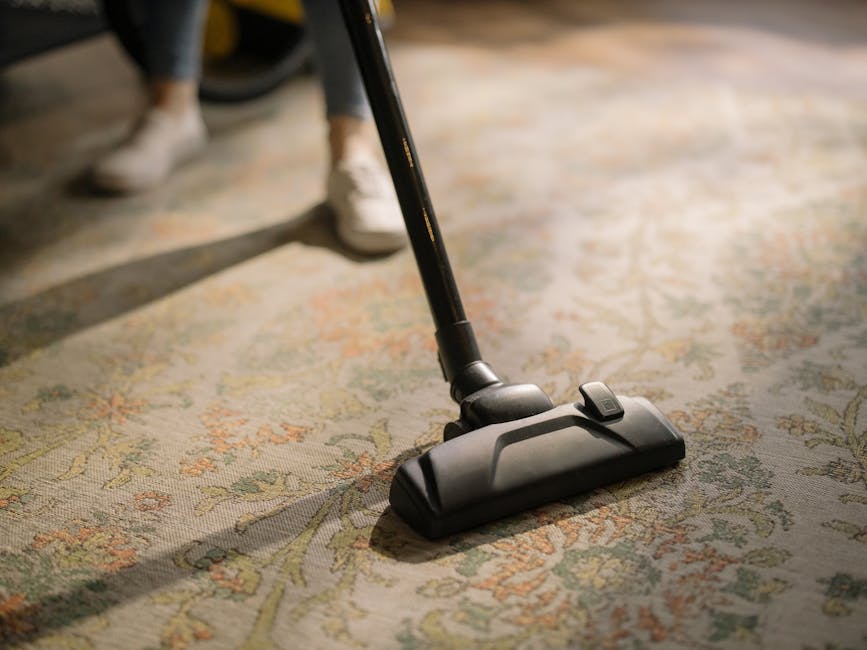
- Rental machine cleaning: using an upright or portable extractor from a hire shop or service.
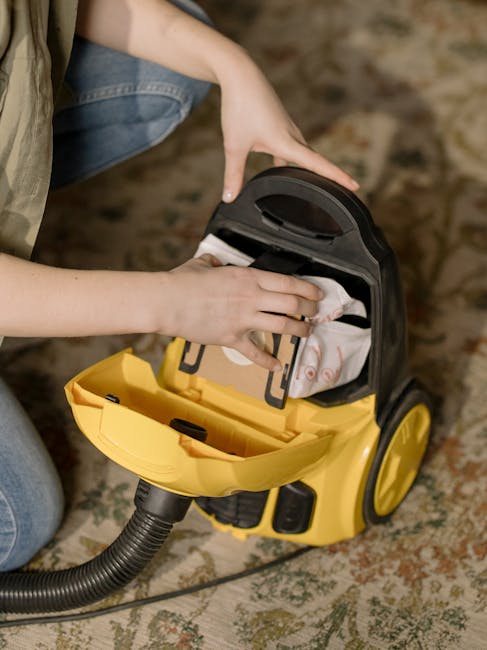
- Home machine cleaning: using a compact carpet cleaner or steam-type machine bought for repeat use.
These methods rely on detergent, agitation, and extraction. The machine sprays cleaning solution into the fibres, brushes or agitates the surface, then sucks up dirty moisture. In theory that sounds close to professional cleaning. In practice, the difference usually lies in water pressure, vacuum strength, temperature control, the quality of cleaning chemistry, and the operator's experience.
Professional carpet cleaning is generally more controlled. A trained cleaner will inspect the carpet fibre, identify the type of soil or stain, choose suitable pre-treatment, and adjust the method to avoid over-wetting or damage. They may use hot water extraction, low-moisture methods, or targeted stain work depending on the carpet and the condition of the room.
That is the real separator: not just the machine, but the decision-making. A professional can tell when a carpet needs a light flush, when it needs a specific stain treatment, and when a full flood of water would be a bad idea. Honest truth, that judgement matters as much as the equipment.
DIY can absolutely work for small jobs, especially if the carpet is fairly new and only lightly soiled. But if the soil has settled deep into the pile, the carpet has a traffic lane pattern, or there are multiple stain types, a rented machine may only skim the surface. The room looks better, yes. Yet the embedded grime may still be there, just less obvious for now.
Key Benefits and Practical Advantages
Both approaches have their place. The trick is knowing what each one does well, and where the limits are. That way you are not paying for more than you need, or expecting a DIY kit to do a professional's job. Which, to be fair, happens a lot.
Benefits of DIY carpet cleaning
- Lower upfront cost: It can be cheaper for a quick refresh or a single stain.
- Convenience: You can clean at your own pace, especially for small rooms.
- Good for maintenance: Useful between deeper cleans to keep carpets looking presentable.
- Immediate action: Handy when you want to treat a spill straight away.
Benefits of professional carpet cleaning
- Deeper cleaning: Better at lifting built-up dirt from busy areas.
- More even results: Often leaves fewer patchy areas or repeat marks.
- Better stain assessment: A trained eye can separate soil from dye damage or wear.
- Reduced guesswork: Suitable chemistry, moisture control, and drying strategy are part of the service.
- Time saved: The whole process is quicker for you, especially in larger homes.
There is also a practical comfort point. A professionally cleaned carpet tends to feel more uniformly refreshed underfoot. Less scratchy, less tacky, less like there is still a bit of old detergent sitting in the pile. That sensation matters more than people admit.
Who This Is For and When It Makes Sense
Different households need different approaches. If you live alone in a small flat and just want to brighten one room before guests arrive, DIY can make perfect sense. If you have a family home with traffic from the hallway to the kitchen, or a pet that treats the living room like its second office, professional cleaning often becomes the sensible option.
Here is a simple way to think about it.
DIY is a good fit if:
- You are dealing with light surface dirt.
- The carpet is in decent condition.
- You need to deal with a fresh spill quickly.
- You are comfortable reading instructions and testing products first.
- You only need a short-term refresh rather than a full restoration.
Professional cleaning makes more sense if:
- The carpet is heavily soiled or has dark walkways.
- You need help with pet odours or repeated stains.
- The carpet is in a rental property and needs a dependable finish.
- Drying time has to be kept under control.
- You want the best chance of restoring the carpet rather than just improving it.
For landlords, tenants, and homeowners preparing a move, this decision is especially important. End-of-tenancy situations tend to punish half-done cleaning. A patchy finish can be more noticeable than a slightly dirty carpet, strangely enough. The eye catches inconsistency fast.
If you are cleaning as part of a wider reset, pairing carpet work with end of tenancy cleaning or a broader deep cleaning approach can make the job feel less like a last-minute scramble and more like an actual plan.
Step-by-Step Guidance
Whether you go DIY or professional, the same basic principles apply: inspect first, choose the right method, avoid over-wetting, and dry the carpet properly. That is the backbone of a good result.
- Identify the carpet type. Wool, synthetic, and blended carpets do not all respond the same way to moisture and chemistry.
- Vacuum thoroughly. This removes loose grit so you are not turning dust into slurry.
- Test any cleaner in a hidden spot. A small patch near a skirting board is better than a visible bleach mark in the centre of the room.
- Pre-treat stains. Work on the specific mark first, not just the whole surface.
- Use controlled moisture. More water is not better. It just takes longer to dry and may pull soil down into the backing.
- Extract properly. Slow, overlapping passes usually work better than rushing.
- Promote drying. Open windows if weather permits, use fans, and avoid walking on the carpet too soon.
- Check the result after drying. Sometimes stains reappear once the carpet dries. That happens more often than people expect.
If you are booking help rather than doing it yourself, a professional process usually follows a similar structure, but with better chemistry, stronger extraction, and more targeted stain assessment. If you want to compare service levels before you decide, looking at carpet cleaning services and broader carpet cleaning options can help you understand what is usually included.
Small note: a rushed clean often looks fine until the next morning. Then the old marks come back like they never left. Annoying, yes. Common, also yes.
Expert Tips for Better Results
A few practical habits can improve DIY results and also help you judge whether a professional clean is worth the money. These are the things people tend to learn the hard way.
- Work from the outside of a stain inward. That helps prevent spreading.
- Blot, do not scrub. Scrubbing can rough up fibres and push the mark deeper.
- Use less product than you think. Excess detergent can leave a sticky residue that attracts more dirt.
- Be patient with drying. Rushing furniture back too early can create new marks or dents.
- Watch for colour bleed. Some dyes run when wet, especially on older rugs and mixed fibre pieces.
- Vacuum again once dry. It helps lift the pile and remove loosened particles.
Professionals often rely on fibre knowledge as much as the machine. That is why services such as rug cleaning and upholstery cleaning are usually treated differently from standard wall-to-wall carpet work. Similar materials, different risks. A rug edge can behave very differently from a fitted synthetic carpet, and the wrong approach can leave a tide line or a faded patch. Not lovely.
If you are dealing with tricky spots, a good spot cleaner is often more useful than a full-room soak. Keep the treatment as targeted as possible.
Common Mistakes to Avoid
Most disappointing DIY results come from a handful of predictable mistakes. Luckily, they are avoidable once you know what to look for.
1. Using too much water
This is the classic one. Carpets are not bath towels. Over-wetting can lead to long drying times, wick-back stains, and a slightly sour smell if airflow is poor.
2. Skipping vacuuming before cleaning
If loose grit stays in the carpet, it can get pushed deeper during cleaning. That makes the carpet feel cleaner on the surface but not actually cleaner where it counts.
3. Choosing the wrong cleaning product
Some cleaners are too harsh for wool or delicate blends. Others are too mild for heavy grease. Read labels carefully and test first.
4. Scrubbing stains aggressively
A hard scrub can distort pile and make the area look worn even after the stain is gone.
5. Forgetting about drying conditions
A clean carpet in a damp, closed room is still at risk. Windows, airflow, and a bit of patience matter more than people think.
6. Expecting every stain to disappear
Some marks are not just dirt. They are dye transfer, fibre damage, or old contamination that has permanently altered the pile. A professional will usually tell you this plainly, which is refreshing, actually.
One more small but important point: if you are cleaning in a period property, a basement flat, or a place with limited ventilation, be extra cautious. Slow drying is the enemy there.
Tools, Resources and Recommendations
Good tools do not guarantee a great result, but the wrong tools can make a simple job frustrating. For DIY cleaning, the basic kit is fairly straightforward.
- Vacuum cleaner: Ideally with decent suction and a clean filter.
- Carpet cleaner or rental extractor: For larger areas and deeper soil.
- Microfibre cloths: Better than rough towels for blotting.
- Soft brush: Useful for gentle agitation around spots.
- Suitable carpet cleaner: Chosen for the fibre type and stain type.
- Fans or open airflow: Helps with drying.
If you are deciding whether to rent or buy, pages like carpet cleaner rental and hire carpet cleaner can be useful starting points when you are comparing options. A carpet steam cleaner can be practical for repeated use, but only if you actually have the time and storage for it. Otherwise it becomes another thing living in the cupboard under the stairs.
For professional help, you are usually looking for a team that understands fibre type, stain chemistry, and safety around moisture and detergents. If your home cleaning needs are wider than carpets alone, services such as home cleaning, domestic cleaning, or a broader cleaning company may make more sense than booking separate one-off jobs.
And if sustainability matters to you, it is worth asking whether the provider considers rinse efficiency, waste water handling, and product choice. You do not need a lecture. Just a sensible, honest approach.
Law, Compliance, Standards, or Best Practice
For most homeowners, carpet cleaning is not a heavily regulated activity in the legal sense. Still, there are good standards and sensible duties to follow, especially around safety, product use, and property care.
In a domestic setting, the most relevant best practices are simple:
- Use cleaning products according to the manufacturer instructions.
- Avoid mixing chemicals unless the label specifically says it is safe.
- Keep rooms ventilated where possible.
- Protect children and pets from damp carpets and cleaning residue until fully dry.
- Take care on stairs and hard floors, where wet overspray can create slip risks.
If you hire a professional, you should expect them to have appropriate public liability insurance and a sensible health and safety process. That does not need to be dramatic or formal, but it should exist. A reputable provider will usually be comfortable talking about it. In fact, you should feel free to ask.
For landlords, tenants, and letting situations, the practical standard is usually more about fair wear, reasonable cleanliness, and evidence of proper treatment than any one exact rule. If you are preparing a property for handover, cleaning methods should be chosen with care so the carpet is clean without being damaged. That is where experience matters a lot.
If the clean forms part of a wider property reset, supporting services like one-off cleaning or spring cleaning can help bring the rest of the home up to the same standard. It sounds obvious, but mismatched standards between rooms can make the carpet look worse than it is.
Options, Methods, or Comparison Table
Here is a clear side-by-side view of the main differences. Not every job fits neatly into one box, but this should give you a solid working comparison.
| Factor | DIY carpet cleaning | Professional carpet cleaning |
|---|---|---|
| Upfront cost | Usually lower if you already own tools or only need a quick clean | Higher, but often more complete and less trial-and-error |
| Cleaning depth | Good for surface refresh and light soil | Typically better for embedded dirt and traffic lanes |
| Stain removal | Can work well on fresh, simple stains | Better for mixed, aged, or stubborn stains |
| Drying control | Depends heavily on user technique | Usually more controlled and efficient |
| Time required | More of your own time and effort | Less personal time, more convenience |
| Risk of residue or over-wetting | Moderate to high if instructions are missed | Lower, though not zero |
| Best for | Light maintenance, quick fixes, small spaces | Deep cleans, larger homes, valuable carpets, move-out cleans |
If you want the most straightforward answer, this is it: DIY is about maintenance and convenience; professional cleaning is about finish, depth, and confidence. Sometimes you need both at different times. That is perfectly normal.
Case Study or Real-World Example
Imagine a two-bedroom flat in South London. The living room carpet is synthetic, five years old, with light wear near the sofa and a couple of small drink marks. The hallway has a little more dirt because of daily foot traffic, and the bedroom carpet is mostly fine.
In a case like that, a DIY clean can be reasonable if the goal is to brighten the rooms before visitors arrive. The owner vacuums thoroughly, pre-treats the spots, uses a rented machine carefully, and lets the carpet dry with windows open for several hours. The room looks fresher. Good result, no drama.
Now shift the scenario. The same flat has a pet, a few older stains, and a noticeable dark track down the hallway. The carpet also smells a bit stale after rain-heavy weeks. A DIY clean might improve the appearance, but it will likely struggle with the layered build-up in the pile. A professional visit would be the better call because the cleaner can pre-test products, target the odour source, and extract more effectively.
That difference is exactly why the phrase DIY carpet cleaning versus professional results explained matters. It is not a slogan. It is a decision about what outcome you actually need. Freshen the carpet? DIY may do. Restore it properly? Professional cleaning starts to make a lot more sense.
We see a similar pattern in shared homes and rental properties across busy areas such as London, where footfall is high and drying time is often at a premium. If you are in a denser part of the city, such as Central London, West London, or East London, practicality often matters as much as the clean itself. Less fuss, less disruption, better planning. That tends to win the day.
Practical Checklist
Use this before you start. It keeps the job calmer and usually gives a better finish.
- Have I identified the carpet fibre and checked care instructions?
- Have I vacuumed thoroughly before applying any moisture?
- Have I tested the cleaner in a hidden spot?
- Am I treating the right type of stain with the right product?
- Am I using only as much water as needed?
- Do I have a plan for airflow and drying time?
- Have I cleared furniture or protected legs and edges?
- Do I know when to stop and call a professional instead?
Quick self-check: if the carpet is valuable, badly marked, or in a room you cannot afford to keep out of use for long, a professional clean is often the safer choice. Better to be sensible than heroic.
Get a free quote today and see how much you can save.
Conclusion
DIY carpet cleaning and professional cleaning are not enemies. They are different tools for different jobs. DIY is useful for maintenance, freshness, and quick action on small spills. Professional cleaning is stronger when you need depth, consistency, faster drying, and a finish that holds up in real life.
If you are still deciding, ask yourself three simple questions: how dirty is the carpet really, how much time do I have, and how important is the final result? Those answers usually point you in the right direction. And if the carpet has seen years of family life, muddy shoes, or one too many spillages, there is no shame in handing it over to someone with the right kit and know-how.
Either way, a cleaner carpet changes the feel of a room more than people expect. It lifts the space a bit. Makes it feel looked after. That counts for something.
Frequently Asked Questions
Is DIY carpet cleaning as good as professional cleaning?
Not usually, especially on heavily soiled carpets. DIY can improve appearance and remove light marks, but professional cleaning usually gives deeper extraction, more even results, and better stain treatment.
What is the biggest difference between DIY and professional carpet results?
The biggest difference is control. Professionals can usually manage moisture, chemistry, and extraction more precisely, which often leads to a cleaner finish and quicker drying.
Can a rented carpet cleaner damage my carpet?
Yes, if it is overused or used with the wrong product. Too much water, excessive detergent, or repeated passes on delicate fibres can cause problems. Always test first and follow the instructions carefully.
How often should carpets be professionally cleaned?
It depends on use, pets, children, and foot traffic. Some homes only need it occasionally, while busy households may benefit from more regular deep cleaning. The right interval is the one that keeps the carpet in good condition without unnecessary wear.
Is DIY carpet cleaning cheaper than hiring a professional?
Often yes in the short term, especially for a small area. But if you need repeat treatments, rental costs, or extra time to redo patchy results, the savings can narrow pretty quickly.
What is the best DIY method for carpet stains?
Blotting with a suitable stain remover is usually the first step for fresh marks. Use a small amount of product, work gently, and avoid scrubbing. For older or unclear stains, professional assessment can save a lot of guesswork.
Why does my carpet look worse after cleaning sometimes?
That can happen if dirt wicks back up as the carpet dries, if too much detergent was left behind, or if the pile was flattened during cleaning. It is frustrating, but it is common enough to plan for.
Are professional carpet cleaners worth it for rental properties?
Very often, yes. Rental properties usually benefit from a more consistent finish, especially at move-out. A professional clean can reduce the risk of disputes about condition and helps the property look more presentable for the next occupants.
Can I use a carpet steam cleaner on all carpets?
No. Some carpets, especially delicate fibres or certain blends, need careful handling or a different method. Check the care guidance first, and when in doubt, get advice before applying heat and moisture.
How long should a carpet take to dry after cleaning?
Drying time depends on the method used, ventilation, pile thickness, and how much water went in. Good airflow helps a lot. If a carpet stays damp for too long, that usually means too much moisture was used or the room needs better ventilation.
Do professional cleaners remove all stains?
Not always. Some stains are permanent because they have changed the fibre or the dye. A professional can usually tell you what is removable, what may lighten, and what is likely to remain visible.
When should I choose professional cleaning instead of doing it myself?
Choose professional cleaning when the carpet is heavily soiled, the stain is stubborn, the drying window is tight, or the carpet is valuable. If you want a result that feels genuinely refreshed rather than just improved, professional help is often the better call.